
Competing with hundreds of freelancers on crowded gig websites is exhausting. It drains your energy and leaves you feeling stuck. If you want to build a calm and profitable career, learning how to land high-paying clients is the single best move you can make. When you rely only on public job boards, you get pushed into a price war where only the lowest bid wins. That leaves you working long hours for very small checks.
Cheap freelance jobs do far more damage than just hurting your monthly income. They take away the time, peace of mind, and creative energy you need to build a respected business. When you understand the steps to land high-paying clients, you stop fighting over cheap gigs and start earning real respect. Successful companies do not want the cheapest worker they can find. They want a reliable partner who can solve painful problems and help them grow their revenue.
Why Bidding Marketplaces Trap You in Low Rates
The Race to the Bottom Dynamics
Most popular freelance websites work like auctions. The person who bids the fastest and asks for the least money usually gets hired first. If you want to land high-paying clients, you must leave these crowded apps and meet business owners where they treat you like an expert partner. On cheap websites, clients post quick jobs and get dozens of copied messages within minutes. Because of this, clients only look at your hourly price or how fast you can deliver, ignoring your real skills.
Algorithmic Bias Toward the Lowest Bidder

Freelance platforms make money on every transaction, so their software is built for fast hiring rather than long-term partnerships. The website filters make it easy for clients to sort freelancers by the lowest price or the most stars. Freelancers waste hours writing proposals for clients who only care about saving money. It is nearly impossible to grow your earnings when the computer system always pushes the cheapest options to the top.
Commodity Perception Over Strategic Expertise
It is very hard to land high-paying clients when people see you as cheap labor. When you sell simple tasks like typing words or drawing banners, clients see you as a small expense. They try to cut your pay just like they would cut any other bill. But when you sell real results-like bringing in new sales or making a website faster-everything changes. They stop caring about your hours and start caring about how much money you help them make.
Transition from Generalist to High-Impact Strategic Partner
Defining Your Core Commercial Value Proposition

General freelancers have a hard time because their profiles look just like everyone else. Freelancers who regularly land high-paying clients focus on real business results instead of basic daily tasks. If you call yourself a “freelance web designer,” you compete with beginners all over the world. But if you say you build fast online stores that turn visitors into paying buyers, you stand out right away. You no longer have to fight for attention.
Identifying High-Margin Industry Niches
Picking a specific niche does not mean you cannot do creative work. It simply gives your business a clear target. Look for industries where companies make good profits and spend money to grow. Tech startups, medical clinics, real estate firms, and growing online stores usually have healthy budgets. When you understand the daily challenges of their industry, business owners trust you much faster.
Mapping Operational Friction to Revenue Loss
Every business faces daily problems that quietly cost them money. Maybe their contact forms fail, their websites load too slowly, or their checkout pages confuse buyers. When you fix these costly problems, you easily land high-paying clients who are happy to pay good money. Ask yourself what happens if the business leaves this problem broken for another six months. When you know how much money they lose by waiting, quoting a fair, high price feels natural and honest.
Package Irresistible Productized Solutions
Selling Concrete Outcomes Instead of Hourly Labor
Trading your hours for money puts a strict limit on what you can earn. It also makes clients watch your clock every day. Freelancers who learn to land high-paying clients sell fixed packages instead of counting hours. A productized offer turns messy work into a clear plan with a set price, a fixed delivery date, and a specific business goal.
Establishing Strict Scope and Deliverable Boundaries

Taking on too much extra work without extra pay is the fastest way to get tired. When you build clear packages, you tell the client exactly what you will do and what is not included. For example, do not offer vague “website help.” Instead, offer a “Two-Week Website Speed and Checkout Fix.” This clear plan stops clients from asking for endless changes and shows them that you have a tested system that works.
Designing Tiered Project Packages
Giving clients options stops them from just saying yes or no to one price. Giving clients three package options is a great way to land high-paying clients who want clear choices. You can offer a basic review, a full setup package, and a premium growth plan. When clients see three good choices, they stop asking if they should hire you. Instead, they ask themselves which package fits their current budget best.
Direct Outreach Strategies That Bypass Crowded Job Boards
Curating High-Intent Prospect Lists
Instead of waiting for people to post jobs on crowded boards, smart freelancers start private conversations. If your goal is to land high-paying clients, reaching out to businesses directly brings much better results. Start by finding twenty to thirty companies that clearly have the exact problem your service fixes.
Targeting Key Decision-Makers on Professional Platforms

Sending emails to generic info addresses rarely works because real bosses never check them. Taking time to pick the right companies helps you land high-paying clients with real spending power. Use LinkedIn to find founders, marketing directors, or team leaders. Look for businesses that are hiring new team members or launching new products, because these signs show they have money to spend.
Crafting Personalized Value-Driven Pitches
Copying and pasting the same generic email to hundreds of people will fail. Good communication is brief, friendly, and helpful from the first sentence. Do not send a long list of past projects. Instead, point out one simple thing the business can fix today.
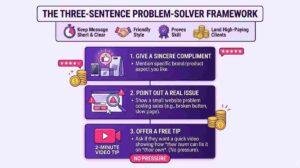
The Three-Sentence Problem-Solver Framework
Busy managers read emails fast, so keep your message short and clear. This friendly style proves your skill fast and helps you land high-paying clients without sounding pushy. Use three simple lines:
-
Give a sincere compliment: Mention something specific you like about their current brand or product.
-
Point out a real issue: Show a small problem on their site that might be costing them sales, like a broken button or slow page.
-
Offer a free tip: Ask if they want a quick two-minute video showing how their team can fix it on their own, with no pressure at all.
Lead the Value-Based Diagnostic Discovery Call
Directing the Dialogue Toward Tangible Business Impact
The first phone call should not feel like a nervous job interview where you defend your resume. Leading this first chat with calm confidence is the best way to land high-paying clients month after month. Start the call by thanking them, sharing the meeting plan, and asking thoughtful questions to understand their real business goals.
High-Impact Diagnostic Prompts
Do not ask small technical questions right away. Ask big-picture questions about their business:
-
“What main business goal do you hope to reach with this project this season?”
-
“How much money or time will your company lose if this problem stays unfixed for another six months?”
-
“What results must happen for your team to feel this investment was an amazing win?”
These simple questions show the client that you care about their success, not just collecting a quick paycheck.
Anchoring Proposals to Prospective Return on Investment
If fixing an online store brings a company an extra $50,000 every year, paying you $5,000 is an easy choice. Showing this kind of real value makes it simple to land high-paying clients who never question your bill. Always show how your price compares to the extra money they will earn or the costly mistakes they will avoid.
Turn One-Off Sprints into Predictable Monthly Retainers
Proposing Continuous Strategic Advisory and Maintenance
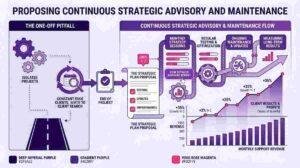
Doing one-off jobs forces you to find new clients every month. Setting up regular monthly support helps you land high-paying clients who stay with you for years. When you finish a project, do not simply say goodbye. Show the client a clear plan for testing, updates, and ongoing improvements so their results keep getting better over time.
Structuring Growth-Focused Retainer Agreements
Build your monthly plans around growth rather than just waiting for things to break. Do not sell “five hours on call.” Sell a “Monthly Growth and Performance Plan.” This can include monthly speed tests, small design tweaks, and a monthly phone call to review progress. Companies are glad to pay a steady monthly fee when they know a trusted partner is looking after their website.
The Sustainable Consulting Mindset for Long-Term Freedom

Escaping cheap freelance jobs starts with a decision to run your work like a real business. As you use these steps to land high-paying clients, your income will grow and your daily stress will drop. You will stop spending late nights searching through low-paying job boards or writing desperate bids for tiny projects.
Take pride in your work and build your business step by step. Focus on solving big problems, choosing good industries, sending short helpful messages, and offering monthly support plans. When you stop acting like cheap labor and start acting like a helpful partner, good clients will find you, pay you well, and stay with you for a very long time.
Read Our Next Useful Insights: Switch Careers to Tech: 5 Best Steps